When landing in Istanbul, the app I've used for my travels for several years indicated that I had just landed in this city for the 55th time. And I realised at that moment that, despite Istanbul's millennial history, I only concretely knew its three airports.
I therefore set myself a goal: to associate this competition with a cultural discovery, so as not to miss—once again—the opportunity to transform each stage into progress.
The Competition
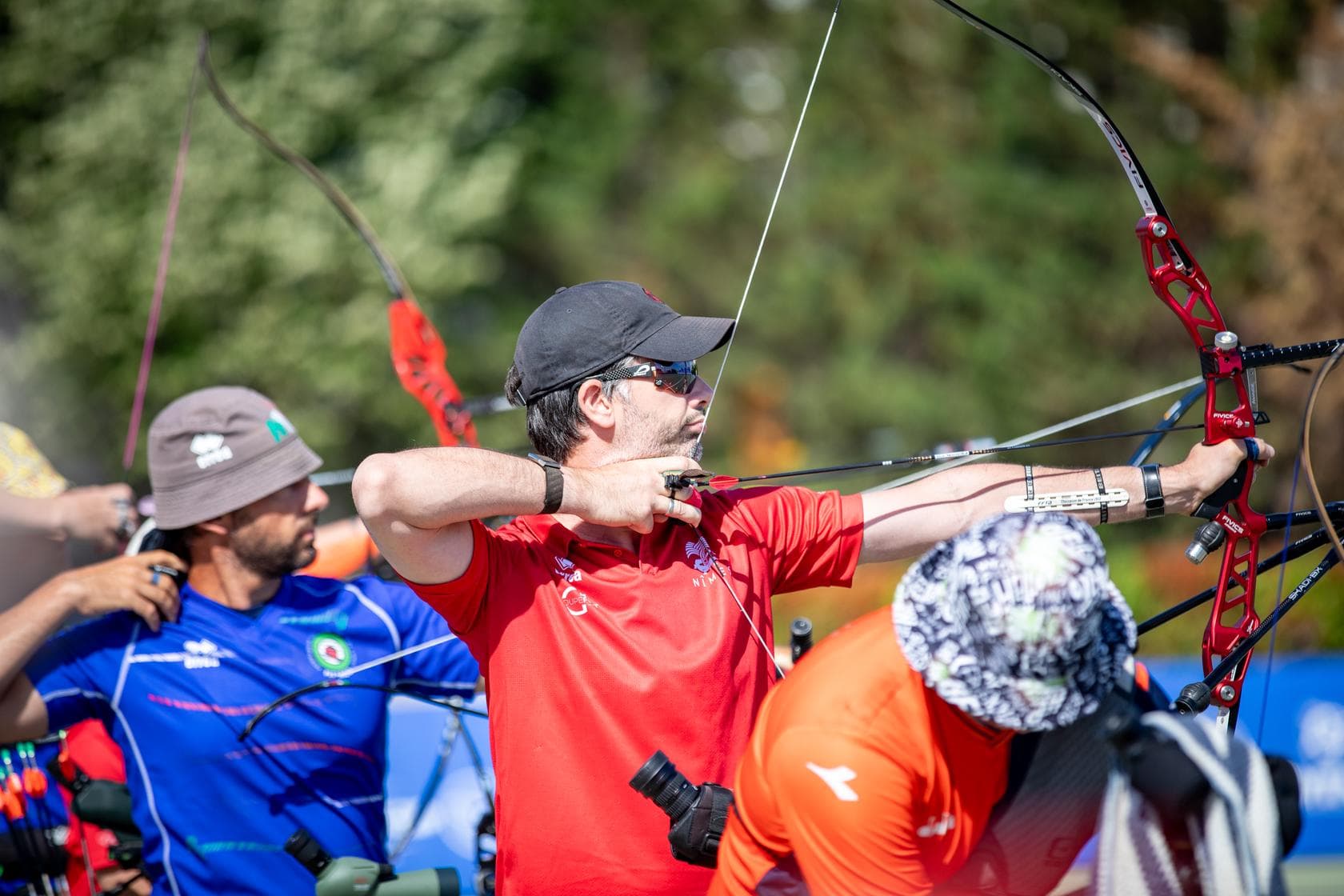
But first, the competition. I registered and came with a clear plan and strategy: to respect the technical work in progress, put it to the test under pressure, and accept detaching myself from the result and any potential performance to produce. The objective of the qualifications was therefore to respect as much as possible the placement and maintenance of the action under the clicker. Even if the result might suggest otherwise, I succeeded in this exercise 69 times out of 72. The wind added a frustrating constraint: tailwind, but oscillating from right to left. This made the reading unstable, and it took a toll on the overall score: many arrows close, few 10s. In this context, 26th place is not illogical—and above all, it marks a return to international competition, encouraging for the future.
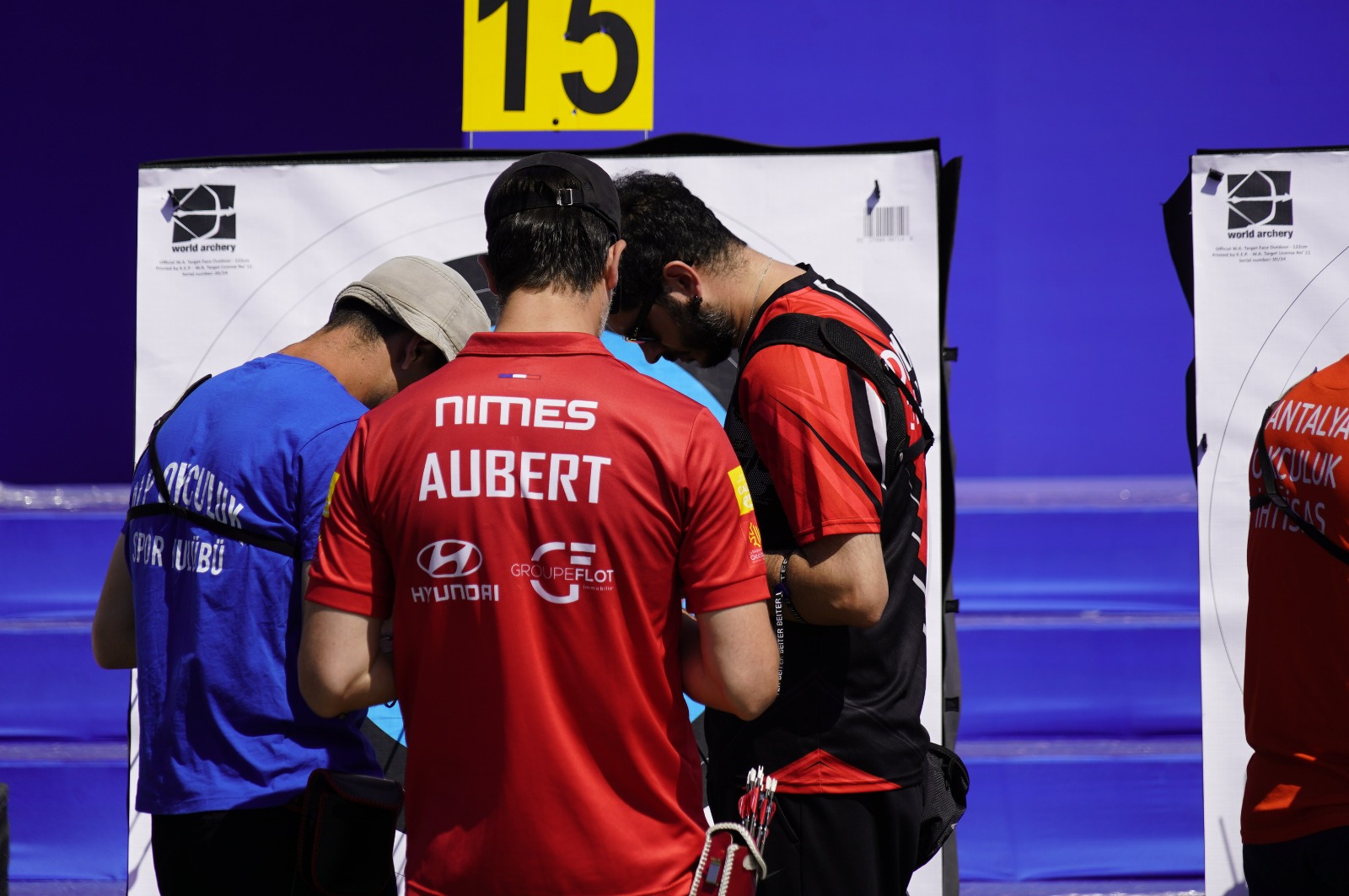
In the eliminations, the same wind awaited us, slightly stronger, and coming more often from the right. Easier to read, but the gusts also made mistakes more accessible. It took me a little time to get into the first match: my heart rate spiked on the first duel, I lost sight of the technical objective on a few arrows, but I won this 1/24th against Andrei Belici (MDA): 7-1. The schedule then offered me three additional warm-up ends before the 1/16th. I took the opportunity to refocus: I brought my attention back to the action and the key point I was working on—maintaining the action through the passing of the clicker.
I wasn't the favourite against the Korean Ji Yechan, but I managed to hold this requirement. The match was tight on every set, every arrow. I managed to win it on the shoot-off arrow (9-8), showing patience in aiming: I waited for a slight lull in the gust of wind while maintaining maximum activity to avoid the relaxation that costs dearly. The extra centimetre is not a promise—it's a behaviour repeated until it becomes natural.
The battle fought on this match, and the intensity required so the technique wouldn't degrade, had an impact on what followed. I didn't manage to be at 100%: I stumbled on some aiming compensations, but also at the moment when the action must remain continuous while passing the clicker. I lost against Nicholas d'Amour: 7-1. I was a bit disappointed not to have had sufficient weapons to fight longer, but without regrets: over the whole competition, the initial objective was largely respected. I leave this competition convinced I'm heading in the right direction, but also with the desire to work even harder to go further and further in competitions.
Cultural Discovery
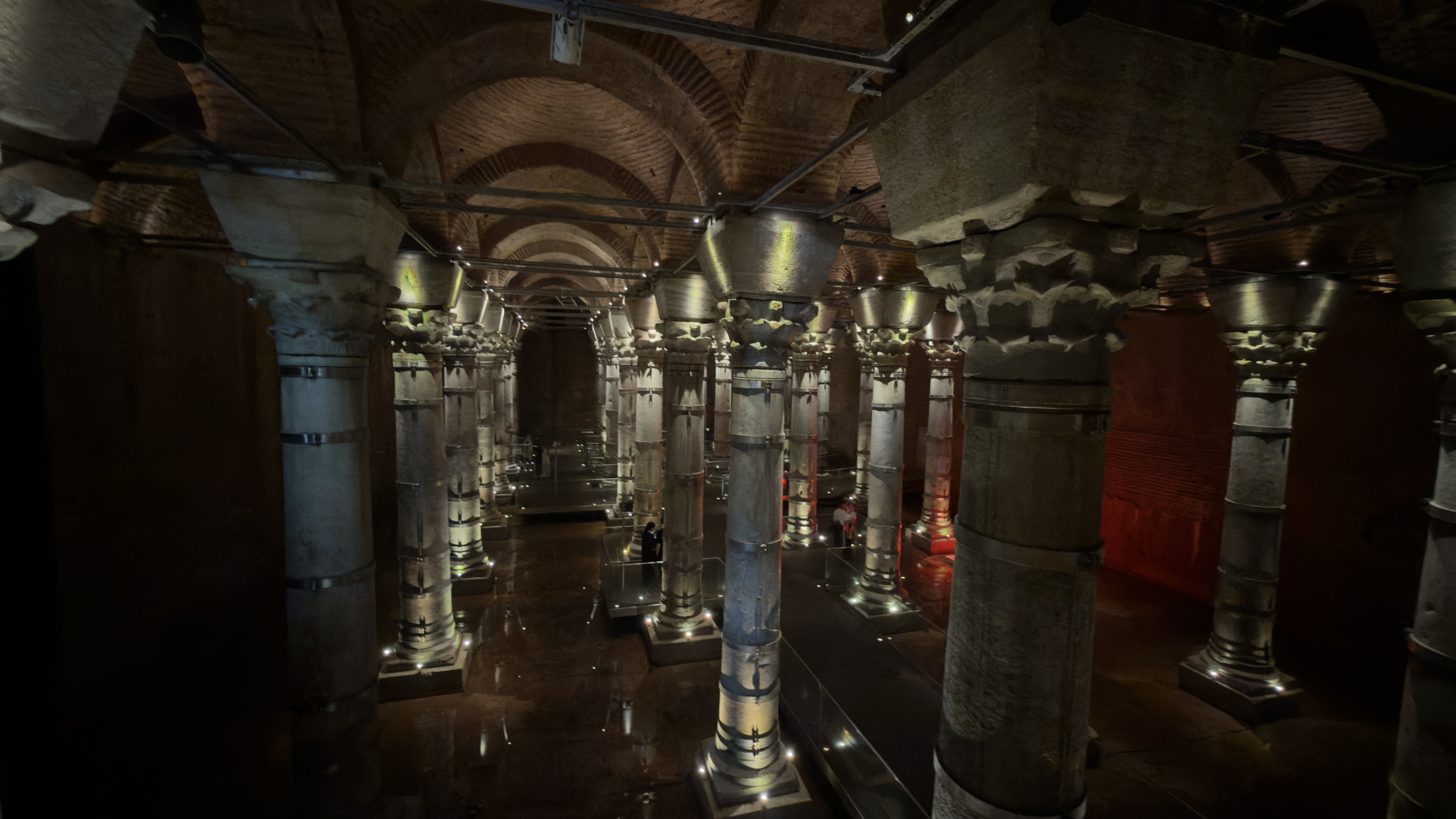
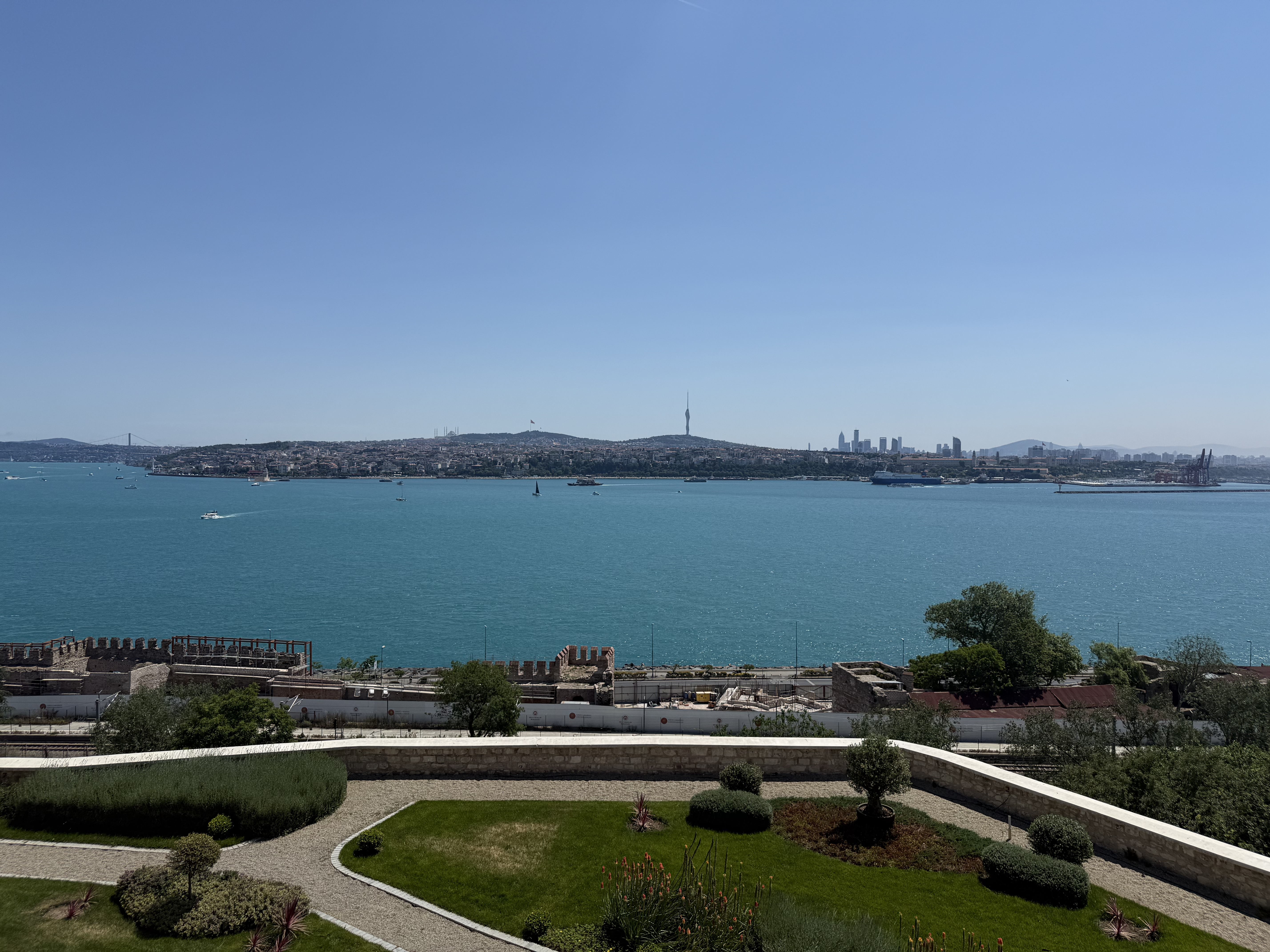
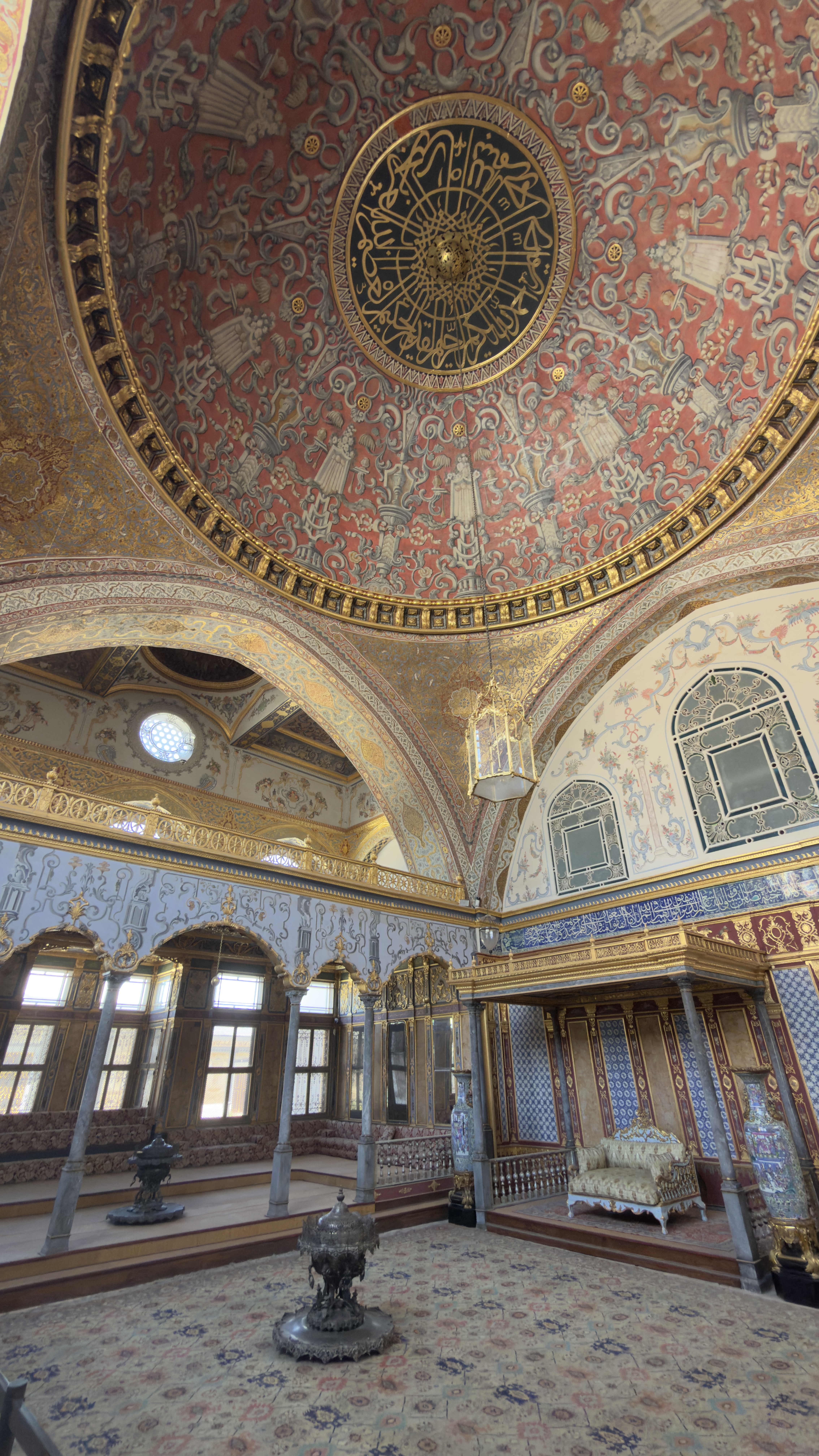
Peaceful in mind after this competition conducted as I wished, I took advantage of Sunday (not being a finalist) to leave early in the morning. Having had to make a choice, and only having this free day before my return to Switzerland, I chose to focus on the most famous monuments of the European part of ancient Constantinople. I built a simple itinerary that I could do on foot once there. I thus visited Hagia Sophia, the Topkapi Palace with its majestic views over the Bosphorus strait, the Blue Mosque, and the Basilica Cistern.
Without forgetting the theatre of this competition, the Okçular Vakfı complex, an extraordinary archery complex right in the heart of a megalopolis of over 15 million inhabitants. With an outdoor field of 32 targets, where the competition takes place. But also a guest house, a gym, a research institute, an archery museum, several training rooms, and even a mosque. All mixing modern and traditional archery.
A Return After 10 Years
Finally, there is a context that gives full meaning to this return. 10 years: it had been 10 years since I shot an international outdoor competition—since the European Championship in Nottingham. I came to the Conquest Cup to test. Test if I still have what it takes inside me. Also test the credibility of a new project, whose outlines are gradually taking shape. And finally, concretely test the work done since my "resumption" in late March 2026. I followed the Conquest Cup back when I worked at World Archery since their desire to be a world ranking event. Few events launch with this ambition, outside the continental or international circuits, but the Conquest Cup (just like the Veronica's Cup in Slovenia, for example) has managed to establish itself over time with a strong identity, a coherent strategy, and a desire for efficiency.
Teşekkür ederim Okçular Vakfı, Teşekkür ederim Türkiye.